David Nahmad: The Billionaire Shaping Modern Art
By Darren Smith, Arts Reporter
June 21, 2026
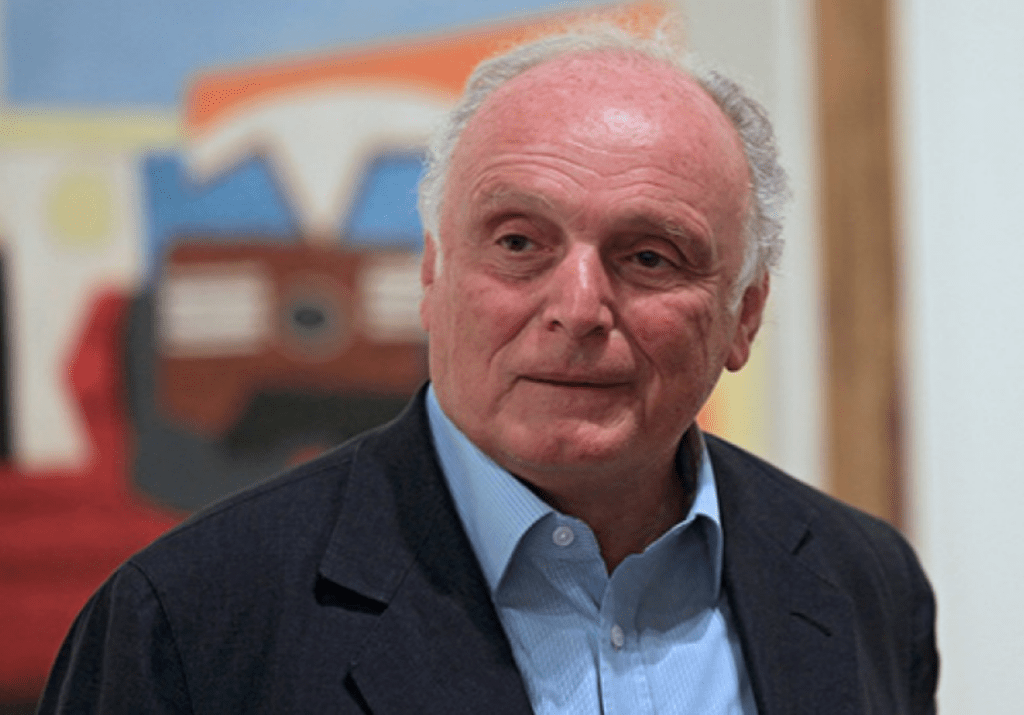
In the rarefied world of international art dealing, few figures command as much intrigue, influence, and quiet power as David Nahmad. A Lebanese-born billionaire of Syrian Jewish descent, Nahmad has spent decades at the pinnacle of the Impressionist and Modern art market, building one of the most formidable private collections on the planet while shaping auctions and exhibitions from Monaco to New York.
Born in 1947 in Beirut, Nahmad grew up in a family with deep roots in commerce and culture. His family fled instability in the Middle East, eventually settling in Italy and later Monaco. As a young man, alongside his brothers Joseph and Ezra, he turned a passion for art into a sophisticated global enterprise. By the late 1960s, the siblings were already trading masterpieces, leveraging sharp business acumen honed on the Italian stock market. David eventually established himself in New York, while the family maintained strong European ties. Today, at 79, he is often described as a custodian of cultural heritage, though recent legal developments have cast a sharper light on the complexities of provenance in his vast holdings.
Nahmad’s collection is legendary. Stored primarily in a Geneva freeport, it encompasses thousands of works, with estimates placing its value between $3.5 billion and $7 billion. Highlights include more than 300 Picassos—widely regarded as one of the largest private holdings outside the artist’s estate—alongside blue-chip pieces by Monet, Matisse, Renoir, Rothko, and others. The family buys and sells predominantly at auction, often turning substantial profits. A notable example is a Picasso acquired for $2.6 million in 1995 and later sold for over $30 million. This strategic approach has earned the Nahmads a reputation as market makers who play the long game, preserving masterpieces while navigating the high-stakes economics of art.
David Nahmad has not only amassed art but shared it generously. Exhibitions drawn from the Nahmad Collection have graced institutions worldwide, including a 2025 show at the Musée des Impressionnismes in Giverny featuring works from Monet to Picasso. Such displays underscore his role as a transmitter of beauty, emphasizing quality over sheer quantity. “The number of paintings means absolutely nothing,” he has said in interviews. “It’s the quality that matters.” His son Helly runs the prominent Helly Nahmad Gallery in New York, continuing the family legacy with exhibitions of 20th-century masters.
Yet Nahmad’s story is not without controversy. The art world was riveted by a landmark restitution case involving Amedeo Modigliani’s Seated Man with a Cane (1918). In April 2026, after an 11-year legal battle, a New York Supreme Court judge ruled that the painting—purchased by a Nahmad-controlled holding company at Christie’s in 1996 for $3.2 million and now valued at up to $30 million—must be returned to the heirs of Oscar Stettiner, a Jewish dealer from whom it was seized by the Nazis in occupied Paris. On June 16, the court gave Nahmad 30 days to comply. The decision, tied to revelations from the Panama Papers linking the offshore entity to the family, highlights ongoing efforts to address Nazi-looted art in private collections.
This case has sparked renewed debate about due diligence, ethical stewardship, and the responsibilities of major dealers. Nahmad has long maintained that transactions were conducted in good faith, and the family’s broader contributions to the arts remain significant. Their influence extends beyond commerce—fostering appreciation for Modern masters and supporting cultural institutions.
As the art market evolves amid restitution awareness and shifting collector dynamics, David Nahmad stands as a pivotal figure: a self-made billionaire whose eye for quality has preserved treasures for future generations, even as legal and ethical questions prompt reflection. His journey reflects the art world’s dual nature—beauty intertwined with history’s unresolved shadows.
The coming months will test how this chapter unfolds, potentially setting precedents for similar claims. For enthusiasts and professionals alike, Nahmad’s trajectory offers profound lessons on passion, power, and provenance in the 21st century.
Explore more on the Modigliani restitution case here: The Art Newspaper report. Discover the Nahmad Collection exhibition insights at Musée des Impressionnismes Giverny. Read Forbes’ profile on his net worth and holdings: Forbes David Nahmad. Learn about the family’s gallery: Helly Nahmad Gallery. For Wikipedia background: David Nahmad entry.
What are your thoughts on restitution in the art world? Share in the comments below or follow for more in-depth profiles on leading figures shaping culture today.
The cover image in this article was AI-generated.