Blank Forms Finds Its Next Chapter: Cult Experimental Art Space Moves to Expansive SoHo Loft
By Darren Smith, Arts Reporter
August 21, 2026
In the ever-shifting landscape of New York’s experimental art scene, few organizations have carved out a more devoted following than Blank Forms. Founded in 2016 by Lawrence Kumpf, the nonprofit has spent nearly a decade nurturing boundary-pushing artists working across music, performance, visual art, and archival practices from its modest base in Brooklyn’s Clinton Hill. Now, as it enters its second decade, the cult-favorite space is preparing for a transformative move to SoHo, securing an expansive new home that promises to amplify its mission without sacrificing the intimate, DIY spirit that has defined it.
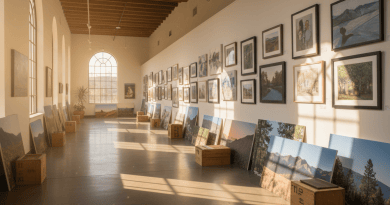
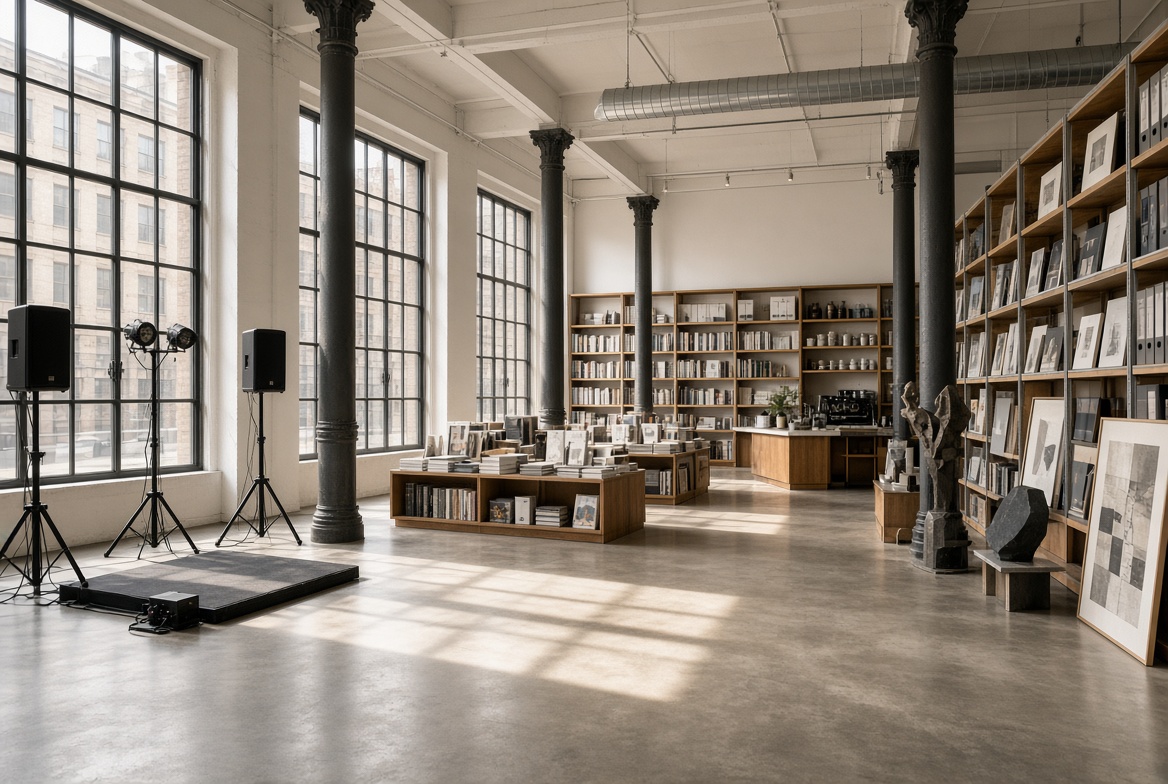
The new location, an 8,000-square-foot open-plan loft on the sixth floor of 151 Lafayette Street, will more than quadruple the organization’s current footprint. Kumpf began considering the relocation about two and a half years ago, driven by practical needs and a desire for greater accessibility. The present setup—a third-floor gallery paired with a first-floor concert space in a residential building—has limited both storage and audience reach. “I’m working with so many artists that other people don’t work with,” Kumpf has explained. When gathering materials for books or exhibitions from closets, under beds, or family homes, the goal has always been long-term preservation rather than temporary display. The SoHo space will finally provide dedicated room for the substantial artist archives Blank Forms has amassed, alongside an expanded bookstore, a café for pre-event gatherings, and an enhanced performance area equipped with high-quality Onken speakers.
This expansion arrives at a pivotal moment. Since its inception, Blank Forms has produced 65 books, staged more than 300 public programs, and organized 20 exhibitions both in New York and internationally. Its roster ranges from Pulitzer Prize-winning composer Raven Chacon to rediscovered legends such as the interdisciplinary duo Don and Moki Cherry, whose first major retrospective in 2021 ignited renewed interest in their work. Kumpf’s approach deliberately draws from the gallery model—fostering sustained relationships with artists—while rejecting the commercial pressures that often constrain nonprofits. Before launching Blank Forms, he spent a decade leading Issue Project Room, another Brooklyn performance center, and many of his ideas grew directly from the limitations of that earlier space.
The move to Manhattan’s SoHo neighborhood carries symbolic weight as well. Once an industrial district transformed by artists into a hub of loft living and experimental culture in the 1960s and 1970s, SoHo remains synonymous with creative reinvention. Kumpf has noted that while Brooklyn is woven into Blank Forms’s DNA, drawing consistent audiences between openings and closings has proven challenging. SoHo’s higher foot traffic, combined with comparable rental costs to the now-gentrified Clinton Hill, offers a practical solution. The building itself already houses like-minded neighbors, including nonprofit galleries times and Carriage Trade, as well as Montez Free Radio, creating a ready-made community of supportive tenants unafraid of the occasional sonic intensity that comes with experimental performance.
Financially, the transition rests on a carefully planned $1 million capital campaign. After signing the lease in May, Blank Forms quickly secured $600,000 from its board and institutional supporters. A notable contribution came from the Frankenthaler Foundation in the form of a $50,000 environmental grant, which has enabled the organization to engage Bench Architecture. The firm is converting the former office space into an elegant yet flexible open floor plan designed for public use. While renovations can encounter delays, the organization remains on track to open in October. The inaugural programming will feature a celebration of electronic composer Laurie Spiegel and a series of five performances by the legendary Japanese singer and multi-instrumentalist Keiji Haino—events carefully calibrated to preserve the close-quarters intensity that has become Blank Forms’s hallmark.
In many ways, the new loft represents a contemporary revival of the downtown tradition that first inspired Kumpf: artist-centered environments where research, performance, conversation, and social life coexist. As such spaces grow rarer amid rising costs and commercial pressures, Blank Forms’s expansion feels both optimistic and necessary. It positions the organization to undertake more ambitious projects while continuing to champion practices underrepresented in mainstream commercial, institutional, and historical narratives. The result should be a vibrant hub that serves both its existing community of artists and audiences and a broader public newly drawn by SoHo’s energy.
For those who have long valued Blank Forms’s quiet radicalism, this relocation marks not an abandonment of roots but a thoughtful evolution. The organization invites supporters to help complete the vision by contributing to the capital campaign. Visit the official page at https://www.blankforms.org/blank-forms-at-151-lafayette-capital-campaign to make a tax-deductible donation or inquire about pledging support. Learn more about Blank Forms’s ongoing work at https://www.blankforms.org/ and its mission at https://www.blankforms.org/about. Full reporting on the move appears in the original Artnet News coverage at https://news.artnet.com/market/blank-forms-new-space-new-york-2799924. Together, these resources offer deeper insight into an organization poised to redefine experimental art in New York once again.
As Blank Forms prepares to open its doors in SoHo this fall, the city stands to gain a renewed space for the kinds of encounters—intimate, unexpected, and lasting—that have always made its cultural life distinctive. The invitation is open: support the move, attend the opening programs, and help sustain a vital platform for artists who continue to expand the possibilities of sound, image, and performance.