Ana Mendieta: A Journey Through Art and Nature at Tate Modern
By Darren Smith, Arts Reporter
July 21, 2026
In the heart of London’s bustling Southbank, Tate Modern has unleashed a long-overdue reckoning with one of the 20th century’s most visionary and underappreciated artists. The landmark exhibition Ana Mendieta, running from 15 July 2026 to 17 January 2027, marks the UK’s first major survey of the Cuban-American multidisciplinary talent in over a decade. It doesn’t merely display her work—it resurrects the raw, elemental force of her practice, allowing it to breathe, bleed, and imprint itself anew on contemporary consciousness.
Born in Havana in 1948 and exiled to the United States as a child amid the political upheaval of the Cuban Revolution, Ana Mendieta channeled displacement, identity, feminism, and a profound communion with nature into a body of work that feels eerily prescient today. Her art was never polite or detached. It was visceral—earth as canvas, body as ritual, fire as signature. This exhibition, featuring over 150 works including iconic pieces, newly remastered films, early paintings, and late sculptural forms, many debuting in the UK, cements her status as a pioneer who bridged Conceptualism with ancestral wisdom and ecological spirituality.
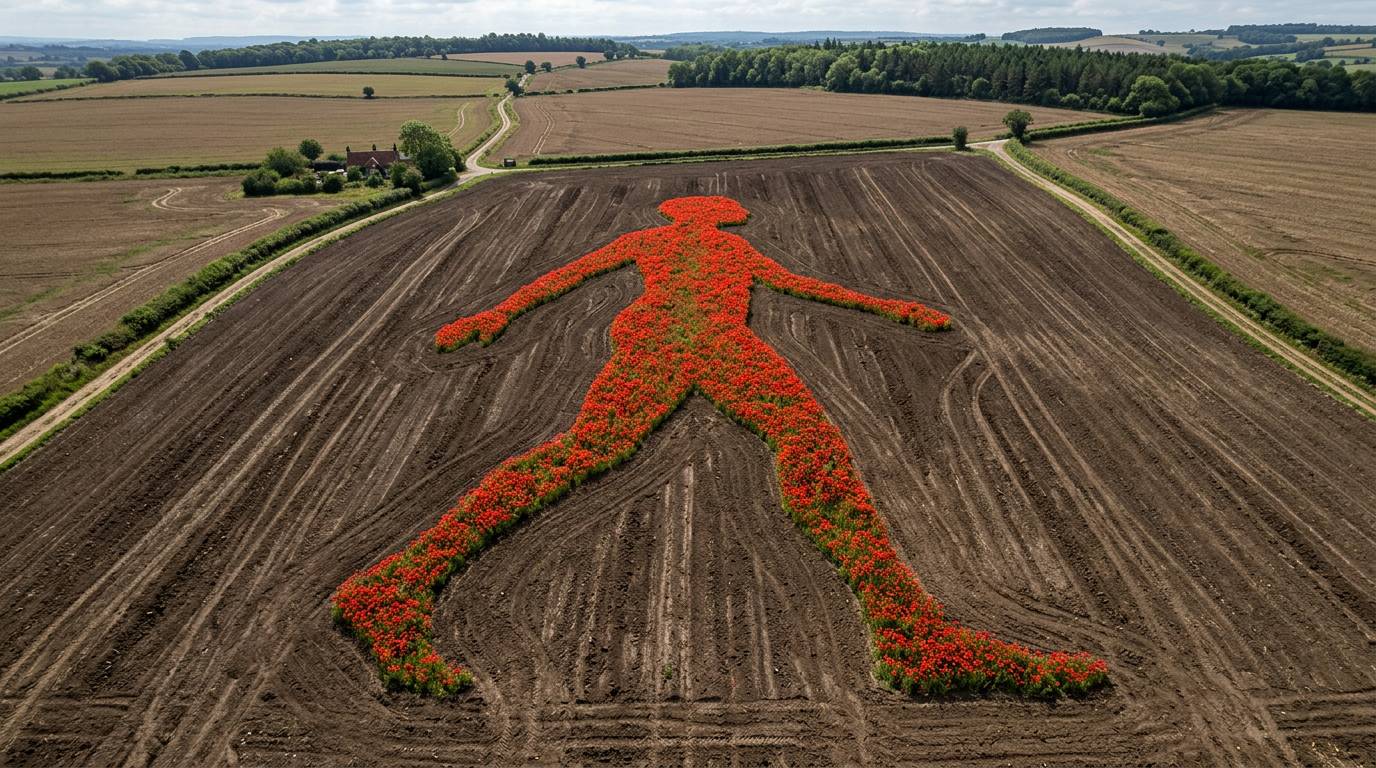
Mendieta’s most celebrated contribution remains the Silueta Series (1973–1980), a haunting collection of ephemeral interventions where she imprinted her silhouette into landscapes using sand, mud, flowers, blood, and flames. These “earth-body” sculptures captured presence through absence, turning the female form into a transient mark on the planet. At Tate Modern, visitors encounter these not as static photographs but as living dialogues with the environment. Newly remastered films reveal the performative urgency: Mendieta running through woods, her body merging with trees; outlines igniting in gunpowder bursts; or dissolving slowly into waves. The remastering brings unprecedented clarity, letting modern audiences feel the crackle of leaves and the hush of tide as if standing beside her.
What elevates this show beyond retrospection is its thematic depth. Curators have arranged the exhibition around symbolic locations—forests, rivers, caves, and urban edges—mirroring Mendieta’s lifelong dialogue with place. Early paintings and drawings from her student years in Iowa reveal a young artist experimenting with abstraction and figuration, already hinting at the bodily urgency to come. Later sculptures, often overlooked, demonstrate her shift toward more permanent forms in wood, stone, and bronze while retaining that organic pulse. These pieces, rarely seen in Britain, expand perceptions of an artist too often reduced to her Siluetas alone.
Mendieta’s story is one of resilience and tragedy. Exiled at 12, she faced cultural alienation and personal loss, themes that infuse her art with poignant universality. Her work prefigured today’s conversations around migration, gender violence, environmentalism, and decolonizing the canon. As a woman of color operating in a male-dominated art world of the 1970s and ’80s, she carved space for ritual, spirituality, and the female gaze long before such frameworks became mainstream. Her influence echoes in contemporary practitioners exploring body, land, and identity—from performance artists to eco-feminists.

This exhibition also confronts the shadows. Mendieta’s untimely death in 1985 at age 36—falling from a window in a case that drew scrutiny of her husband, artist Carl Andre—has long complicated discussions of her legacy. The Tate wisely focuses on the work itself, allowing the art to speak with unfiltered power. Yet the show subtly restores agency, presenting Mendieta as a force who transcended personal narrative to touch something primal and collective. Critics have hailed it as transformative, with The New York Times describing the works as “burning, bleeding, breathing,” and others noting how her radical land art feels more vital than ever amid climate crisis.
Walking through the galleries, one senses Mendieta’s spirit animating the space. Films project onto walls and floors, immersing viewers in her rituals. Outdoor extensions—echoing her deep relationship with nature—blur museum boundaries, inviting reflection beyond white cubes. This holistic approach honors her belief that art should connect body, earth, and cosmos. For new generations discovering her via social media or academic curricula, the exhibition provides essential context and emotional immediacy.
Tate Modern’s commitment, in partnership with galleries like Marian Goodman and Alison Jacques, ensures this isn’t just another blockbuster but a corrective to art history’s oversights. Mendieta stood apart from peers by fusing Conceptual rigor with transcendent ritual. Her work rejected commodification, embracing impermanence as strength. In an era of digital permanence and ecological anxiety, her Siluetas remind us of humanity’s fragile yet beautiful entanglement with the natural world.
This show arrives at a pivotal moment. As institutions worldwide reassess canons and amplify marginalized voices, Mendieta emerges not as a historical footnote but a guiding light. Her legacy takes flight here—ephemeral yet enduring, intimate yet monumental. Visitors leave transformed, carrying the imprint of her vision long after departing the galleries.
Whether you are a seasoned art lover or encountering her for the first time, make time to experience this exhibition. Book tickets now at tate.org.uk and immerse yourself in an artist whose relevance only deepens with time. Share your reflections on social media with #AnaMendietaTate—her dialogue with the world continues through us. Don’t miss the chance to witness a true icon reclaiming her rightful place in the pantheon of modern masters.


