Museo Dolores Olmedo Reopens: A Must-Visit for Art Lovers
By Darren Smith, Arts Reporter
June 10, 2026
In the serene southern reaches of Xochimilco, where ancient canals whisper stories of Mexico’s layered past, the Museo Dolores Olmedo has flung open its grand doors once more. After a six-year closure shadowed by pandemic woes and heated debates over relocation, this 16th-century hacienda-turned-museum—home to the world’s richest collection of works by Frida Kahlo and Diego Rivera—reopened to the public on May 30, 2026, reaffirming its place as a cornerstone of Mexican cultural heritage.
Visitors are greeted not by sterile gallery silence but by the melodic calls of vibrant blue-feathered peacocks strutting through lush gardens fragrant with bougainvillea and citrus. The estate, known as La Noria, was acquired in the 1960s by the indomitable Dolores Olmedo (1908–2002), a trailblazing businesswoman, collector, and close confidante of Rivera. She transformed the historic property into a museum in 1994, stipulating that her beloved collection remain intact on these grounds—a wish that fueled years of advocacy when relocation rumors surfaced.
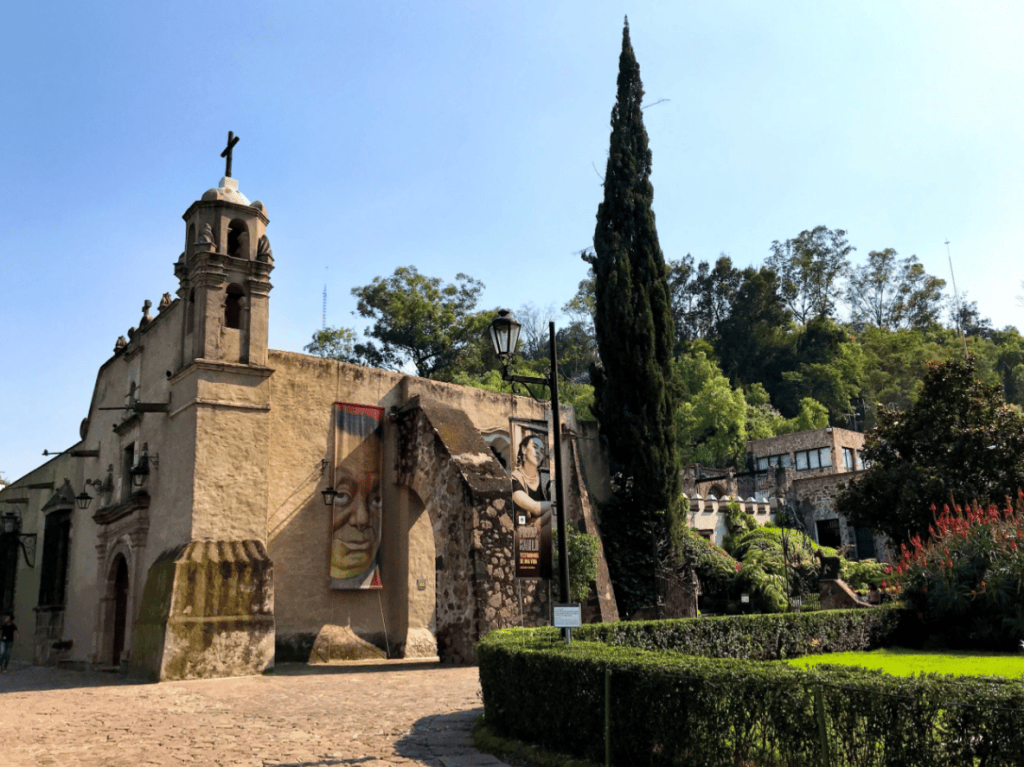
Today, the museum honors that vision. Newly accessible private quarters reveal Olmedo’s opulent world: elegant furnishings, pre-Hispanic treasures, and personal portraits by Rivera himself. Her spirit lingers in every corner, from ivory accents to chandeliers that speak of a life lived boldly in a male-dominated era. “We reimagined the house-museum concept while preserving how she lived,” noted her son Carlos Phillips, president of the museum trust.
The heart of the collection lies in its unparalleled holdings of Mexican modernism’s titans. Eight chronological galleries showcase 98 works by Diego Rivera, tracing his evolution from early Cubist experiments and landscapes to powerful mural studies. A dedicated space highlights his deep friendship with Olmedo, featuring whimsical frog motifs—Rivera’s playful alter ego—and intimate late-career sunsets painted at her Acapulco property. These luminous pieces, created in his final year, pulse with melancholy and light, offering rare insight into the artist’s inner world.
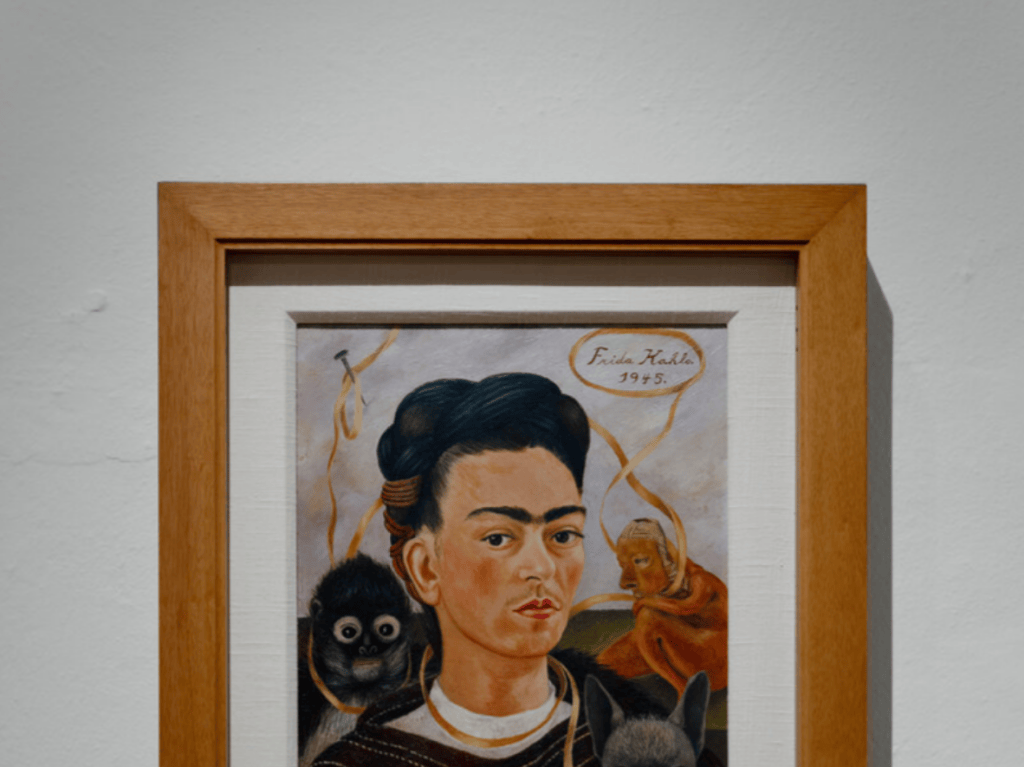
Frida Kahlo commands two galleries with 26 paintings, widely regarded as the largest assembly of her oeuvre anywhere. Standouts include the haunting The Broken Column (1944), where the artist’s corseted form symbolizes resilience amid physical torment, and Henry Ford Hospital (1932), a visceral depiction of loss following miscarriage. These works, recently returned from international tours, underscore Kahlo’s transformation of pain into profound artistic testimony. As scholar Helena Chávez Mac Gregor observes, Kahlo made illness “a place where life could be accepted.”
Beyond the icons, the museum brims with Olmedo’s broader passions: folk art, New Spanish relics, and pre-Hispanic artifacts that contextualize Mexico’s artistic continuum. Day of the Dead altars and echoes of her cherished Xoloitzcuintli dogs further animate the grounds, blending high art with living tradition.
The reopening arrives at a pivotal moment. As Mexico prepares to host events tied to the 2026 FIFA World Cup, cultural officials see the museum as a beacon for global visitors eager to engage with the nation’s soul. Yet challenges persist. Advocates from groups like Defendamos al Olmedo continue pushing for official heritage protection to safeguard the site against future threats.
In an age when digital reproductions proliferate, the Museo Dolores Olmedo reminds us of the irreplaceable power of encountering art in its intended home—amid peacocks, gardens, and the quiet dignity of history preserved. It stands not merely as a repository but as a vibrant dialogue between past and present, personal legacy and national pride.
Plan your visit to this revived cultural treasure and experience the magic firsthand. Secure tickets and explore the full collection at the official museum website. Whether you’re a longtime admirer of Kahlo and Rivera or discovering their genius anew, the Museo Dolores Olmedo offers an unforgettable journey into the heart of Mexican art. Don’t miss it—history is waiting.
The cover image in this article was AI-generated.