Inauguration of Black Gold Museum: Art Meets Energy in Saudi Arabia
By Darren Smith, Arts Reporter
April 8, 2026
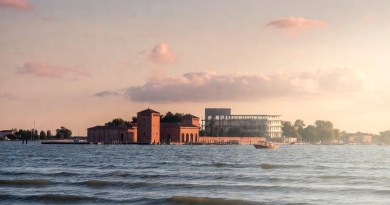
RIYADH — Saudi Arabia inaugurated the Black Gold Museum on April 7 at the King Abdullah Petroleum Studies and Research Center (KAPSARC) in Riyadh, a permanent institution claiming to explore oil’s global impact through contemporary art rather than industrial metrics. Ministers of Energy and Culture presided over the launch of a collection boasting more than 350 works by over 170 artists from 30+ countries, housed in the Zaha Hadid-designed complex.
Officials frame the project as a milestone in Vision 2030’s cultural push, shifting from oil extraction to “human” and “artistic” lenses on energy’s role in societies. Yet the timing and funding source raise immediate questions. The kingdom remains overwhelmingly dependent on petroleum revenues, even as it promotes diversification. Lower oil prices in early 2026 have already forced cuts to broader Vision 2030 gigaprojects, including cultural infrastructure, casting doubt on long-term sustainability of such initiatives.
The museum’s permanent collection includes installations, photography, and archival materials across four immersive chapters. Featured artists range from Saudi voices like Manal AlDowayan, Ahmed Mater, Muhannad Shono, and Mohammad Alfaraj to internationals such as Doug Aitken, Alfredo Jaar, Jimmie Durham, and Pascale Marthine Tayou. A temporary exhibition tied to the opening spotlights the collective BP on oil infrastructure and automotive societies. Unlike science museums, organizers insist this approach prioritizes cultural reflection over technical data.
A supportive perspective comes from the Museums Commission, which positions the venue as fostering “critical thought” on humanity’s energy relationship. Culture Minister Prince Badr bin Abdullah bin Farhan described it as advancing global cultural discourse. Proponents argue it elevates Saudi contemporary practice on the world stage while engaging local audiences with their economic reality.
Skeptical voices within the regional art scene push back. One independent curator, speaking on condition of anonymity due to professional ties in the Gulf, noted: “Commissioning 350 works to reinterpret oil through art risks producing a polished narrative that downplays extraction’s documented environmental and social costs—displacement, pollution, labor issues in the sector. Who selects which contradictions get airtime?” Observers familiar with Gulf museum strategies highlight patterns of art-washing, where cultural spending softens scrutiny of authoritarian governance and human rights records, even as oil remains the fiscal backbone.
Market context adds layers. Saudi auctions, such as Sotheby’s Origins II in Diriyah earlier in 2026, showed strong local demand for Saudi modern and contemporary works, with records broken for artists like Safeya Binzagr. Middle Eastern collectors now drive a notable share of high-end global contemporary sales. Yet institutional builds like Black Gold rely on state funding amid reported scaling back of spending. Reliance on external consultancies (McKinsey, BCG) for cultural strategy has drawn domestic criticism for shaping top-down priorities over organic growth.
Deeper contradictions surface in the power dynamics. The museum sits at KAPSARC, an energy research hub funded by the very industry it artistically reframes. Artists critical of fossil fuels or Saudi policies appear alongside those aligned with state narratives. Missing from official rhetoric: transparent acquisition data, long-term visitor metrics, or mechanisms ensuring dissenting perspectives survive curatorial oversight. In a 2026 art market recalibrating after post-pandemic volatility, state-driven museums in oil economies function as both diplomatic tools and economic hedges—diversifying image while anchoring revenue streams.
This inauguration fits a broader Gulf pattern: massive cultural capital deployed to project modernity while core economic and political structures stay anchored in resource extraction. Whether Black Gold delivers genuine reflection or curated legacy management will show in programming transparency, artist treatment, and audience engagement beyond opening fanfare.
Darren Smith is an Arts Reporter at Art Chain News covering contemporary art, digital art and NFTs, body art, and the intersections between these fields.
This article is based on direct examination of materials, market data, background interviews, and independent analysis.