Egyptian Ministry Hails ‘Unique’ 2nd-Century BC Water Temple in Northern Sinai — But Questions Linger on Interpretation and Long-Term Access
By Darren Smith, Arts Reporter
April 14, 2026
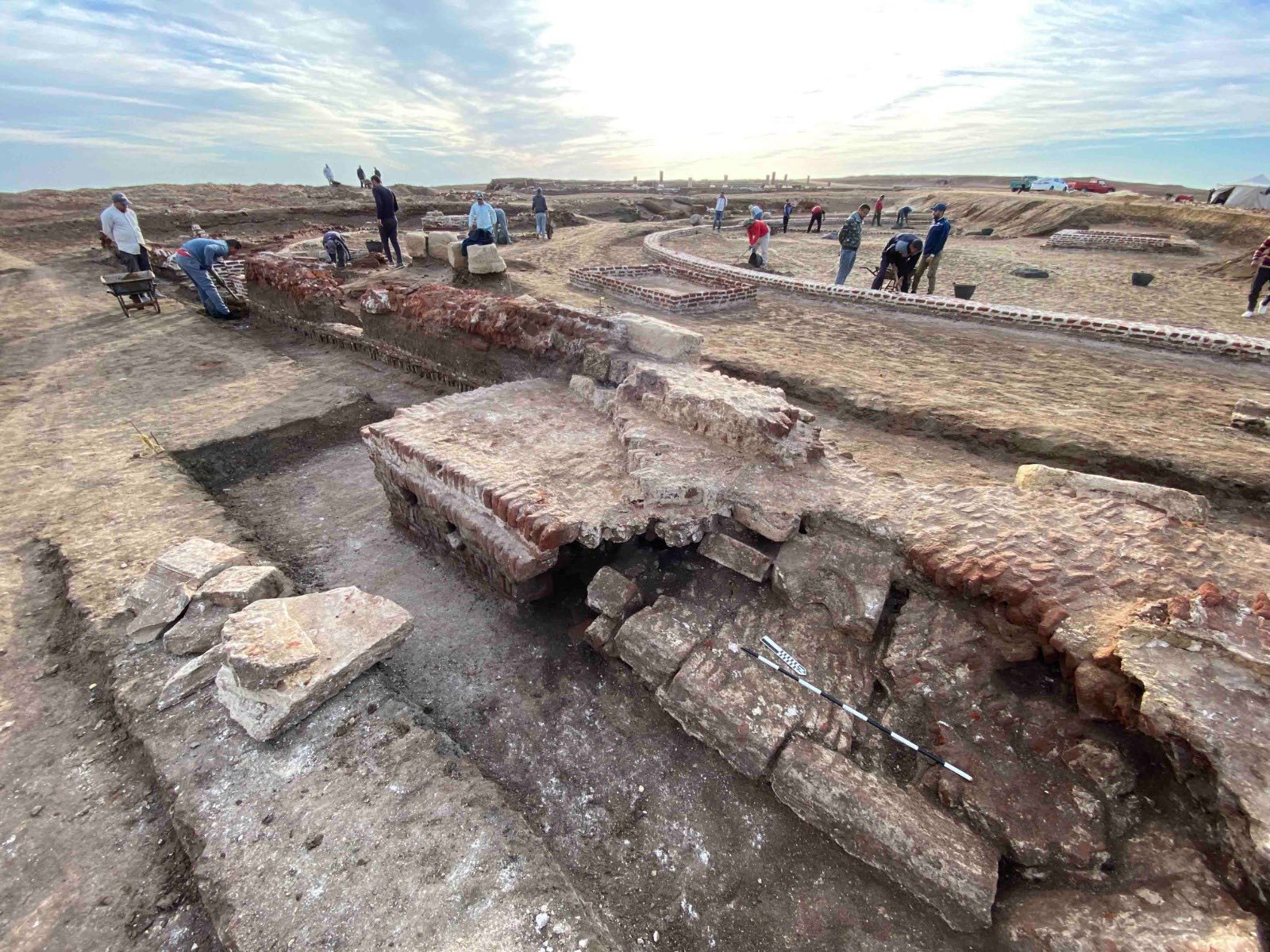
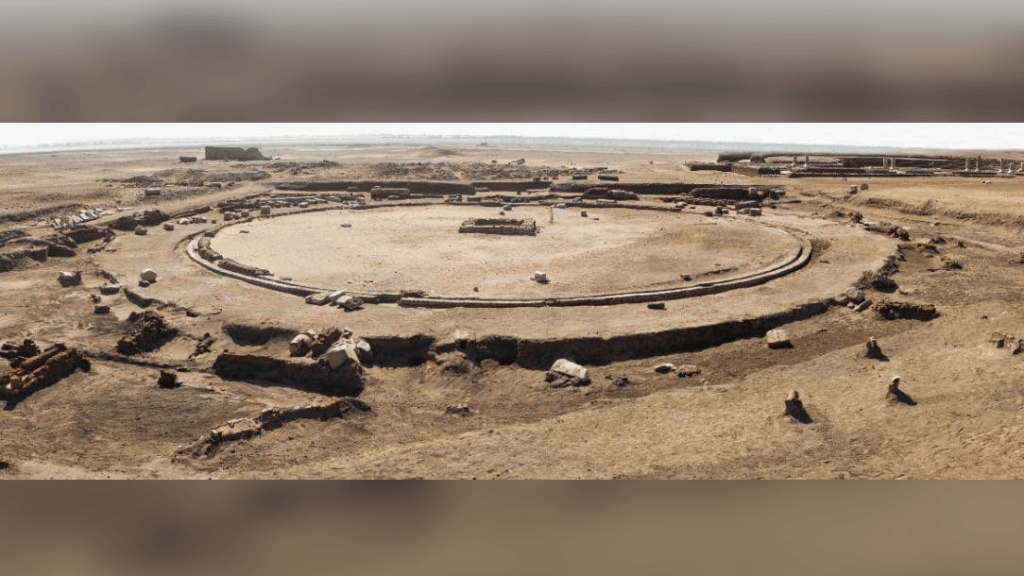
Egyptian authorities announced the full excavation of a large circular religious complex at Tell el-Farama, ancient Pelusium, in North Sinai, framing it as evidence of sophisticated cultural exchange across Egyptian, Hellenistic, and Roman traditions. The structure centers on a 35-meter-diameter brick basin once linked to a branch of the Nile, designed to hold water and silt, with a square platform likely supporting a cult statue. Yet initial misidentification of the partial remains as a possible civic building in 2019 raises basic questions about how quickly official narratives solidify around new finds.
The complex, excavated over six years by a Supreme Council of Antiquities team, dates stratigraphically from the 2nd century BC into the 6th century AD, with only minor modifications. Red brick walls point to Roman-period construction techniques rather than traditional pharaonic stonework. Officials link it to the local deity Pelusius (or Pelousios), whose name derives from the Greek “pelos” for mud or silt, suggesting rituals tied to the Nile’s fertile yet unpredictable floods. Drainage channels and the basin’s connection to the Pelusiac branch supported controlled water flow for what the ministry describes as sacred purposes.
Ministry statements emphasize “civilised interaction” between Egypt and the Mediterranean world, positioning Pelusium as a strategic frontier port and gateway. A 2022 Zeus temple discovery at the same site already highlighted layered influences. The new find adds a water-centric ritual element that survived political shifts from Ptolemaic rule through Roman and into Byzantine periods.
Dr. Mohamed Abdel-Badi, Head of the Egyptian Antiquities Sector, described the layout as exceptional for its scale and continuity, noting the basin’s potential role in symbolizing the city’s patron god. Independent specialists familiar with border-zone archaeology acknowledge the site’s value for understanding hybrid practices in a militarized, trade-heavy location.
However, skeptics within academic circles question the speed and certainty of the religious attribution. One senior archaeologist, speaking on condition of anonymity due to ongoing grant dependencies on Egyptian authorities, noted: “A large circular basin with water infrastructure could serve practical functions — flood management, public reservoirs, or even military logistics — before or alongside any cult use. The initial senate-building hypothesis wasn’t unreasonable given the frontier context. Full stratigraphic reports and artifact inventories need transparent peer review beyond ministry channels.”

This caution echoes broader patterns in Egyptian archaeology, where major announcements often align with tourism promotion and national heritage branding. Pelusium’s location in North Sinai, a region with security sensitivities and developing infrastructure, adds layers: discoveries here can bolster arguments for expanded heritage tourism while local communities see limited direct benefit amid restricted access zones.
No detailed catalog of associated finds — inscriptions, votive objects, or organic remains confirming ritual activity — has been released publicly yet. The long use-span (roughly 800 years) demonstrates endurance but also invites scrutiny of whether the structure’s function evolved significantly under different rulers. Brick construction, unusual for core Egyptian temples, underscores the site’s peripheral, cosmopolitan character rather than a pure pharaonic revival.
In the 2026 art and heritage landscape, such finds feed into restitution debates and cultural diplomacy. Egypt continues aggressive repatriation campaigns while showcasing domestic discoveries to assert stewardship. Yet genuine scholarly access to sites and data often lags behind press events, particularly in Sinai.
The Pelusium water complex offers concrete evidence of adaptive sacred architecture in a contested borderland. Its significance will ultimately rest not on ministry framing but on rigorous, independent publication of excavation data, comparative analysis with other Nile Delta and Levantine water installations, and open debate over its primary versus secondary functions. Without that transparency, it risks remaining another impressive visual for tourism campaigns rather than a fully interrogated chapter in ancient Mediterranean religious history.
Darren Smith is an Arts Reporter at Art Chain News covering contemporary art, digital art and NFTs, body art, and the intersections between these fields.