Changes to Section 106: Impact on Historic Preservation
By Darren Smith, Arts Reporter
July 23, 2026
A federal body charged with safeguarding America’s historic places is advancing changes that could significantly ease the path for modifying national landmarks and other culturally important sites. The Advisory Council on Historic Preservation (ACHP), an independent agency that advises the president and Congress, has circulated an internal draft of proposed revisions to the regulations implementing Section 106 of the 1966 National Historic Preservation Act. Critics warn the moves would reduce public participation and weaken longstanding protections, while supporters frame them as necessary streamlining to cut delays on major projects.
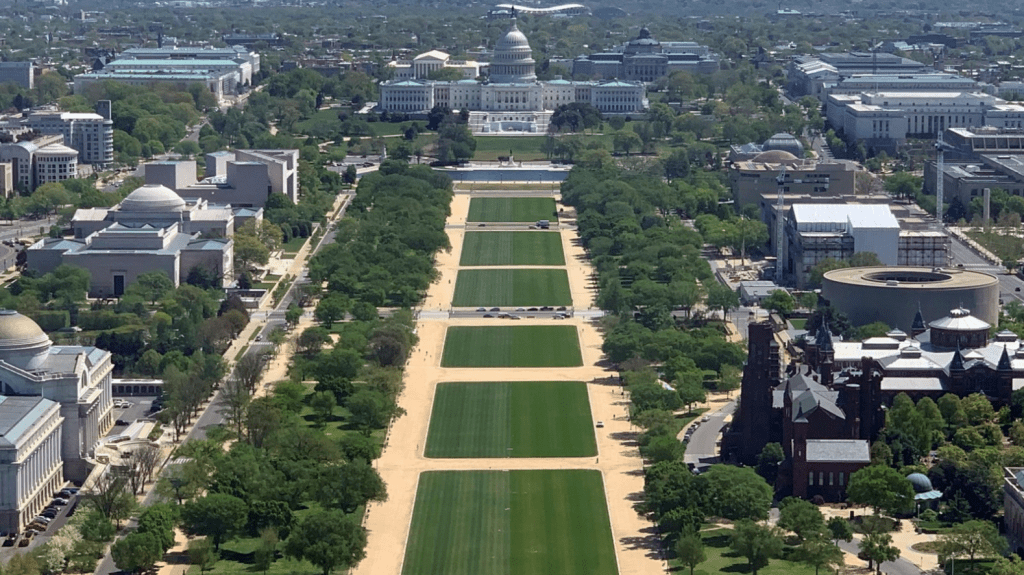
Section 106 has for six decades required federal agencies to “take into account” the effects of their undertakings—projects on federal land, those receiving federal funding, or those needing federal permits or approvals—on historic properties. These include sites listed on or eligible for the National Register of Historic Places, properties of significance to Indian tribes, and landmarks such as those on the National Mall. The process mandates consultation with State and Tribal Historic Preservation Officers, affected communities, and the public, often resulting in agreements that avoid, minimize, or mitigate harm. The ACHP oversees this system and issues the implementing regulations under 36 CFR Part 800.
According to materials obtained by news outlets and described by preservation advocates, the draft revisions would make public comment optional rather than mandatory in many cases, narrow the definition of what qualifies as a “historic property” to emphasize “tangible human improvements” that are geographically compact, and reduce requirements for agencies to consider alternatives that avoid or minimize adverse effects. Federal agencies could more readily proceed with projects or approve private development without the same level of external input. The ACHP has stated it is considering modifications “to enhance clarity, provide greater regulatory certainty, and align the rule with statutory and policy directives,” citing uncertainties, delays, and regulatory burdens under the current framework. An entry in the Unified Agenda confirms the agency is reviewing the regulations governing Section 106 implementation.
The council itself has undergone substantial membership changes in recent years, with a number of recent appointees. Preservation groups note that the draft was circulated with a short timeline for an unassembled vote, originally targeted for consideration by July 24, 2026. If approved, the proposal would move toward publication in the Federal Register for a public comment period.
Proponents within the administration and among some development interests argue the existing process has grown cumbersome, slowing infrastructure, housing, and other priorities. They contend clearer rules would still protect truly significant sites while allowing faster decisions on projects that serve the public. The ACHP’s official notice emphasizes modernization rather than elimination of the core statutory duty.
Opposition has been swift and pointed. The National Trust for Historic Preservation, a voting member of the ACHP, voted against the proposed regulations and described them in stark terms. “The ACHP’s proposed changes to Section 106 will eviscerate the preservation of our shared civic and cultural heritage in the United States,” said Brent Leggs, president and CEO of the National Trust. The organization detailed several concerns on its site: agencies would no longer be required to try to avoid or minimize damage to historic architecture, neighborhoods, and landscapes; state and local governments could lose notification and comment rights; public input would become discretionary; and consultation with Native American tribes regarding their cultural resources would no longer be mandatory in the same way. Significant cultural landscapes might fall outside the revised definition of historic properties. The Trust and partners warn the changes could produce more litigation and confusion rather than efficiency, and they have urged the council to withdraw the proposal. Details of their position and calls for action appear on the National Trust’s analysis of the threat to Section 106.
Legal and preservation experts have also highlighted potential effects on Indigenous sacred sites and the broader inventory of roughly 1.4 million properties subject to review. Former ACHP leadership and groups such as Cultural Heritage Partners have characterized aspects of the draft as inconsistent with the underlying statute and with prior council procedures. The revisions arrive amid high-profile federal projects that have already encountered Section 106 scrutiny, including proposed alterations near the White House complex and discussions around a planned triumphal arch, underscoring how the process can influence presidential and agency priorities.
The National Historic Preservation Act was enacted in 1966 amid growing concern that rapid postwar development was erasing the physical record of American history. Section 106 has never given the ACHP veto power; its comments remain advisory. Yet the consultation framework has frequently shaped better outcomes through negotiation. Altering the implementing regulations does not change the statute itself—only Congress can do that—but it can substantially alter how the law operates in practice.
As the ACHP proceeds, the draft and related materials have circulated among stakeholders. Official updates are available through the Advisory Council on Historic Preservation. Whether the council advances the proposal, modifies it, or pauses remains to be seen in the coming days. The outcome will help determine how future generations experience the nation’s landmarks, from urban historic districts to vast cultural landscapes.
Readers who value the balance between progress and heritage are encouraged to review the available materials, contact their representatives, and participate in any forthcoming public comment period once a formal proposal is published. America’s historic places belong to all of us—stay informed and make your voice heard.
The cover image in this article was AI-generated.