Artists and Curators at Venice Biennale Demand Exclusion of Israel, Russia, and U.S. Pavilions
VENICE — In a bold challenge to one of the art world’s most prestigious platforms, more than 70 participating artists and curators in the 2026 Venice Biennale have issued an urgent open letter calling for the exclusion of national pavilions from Israel, Russia, and the United States, citing alleged war crimes by their governments.
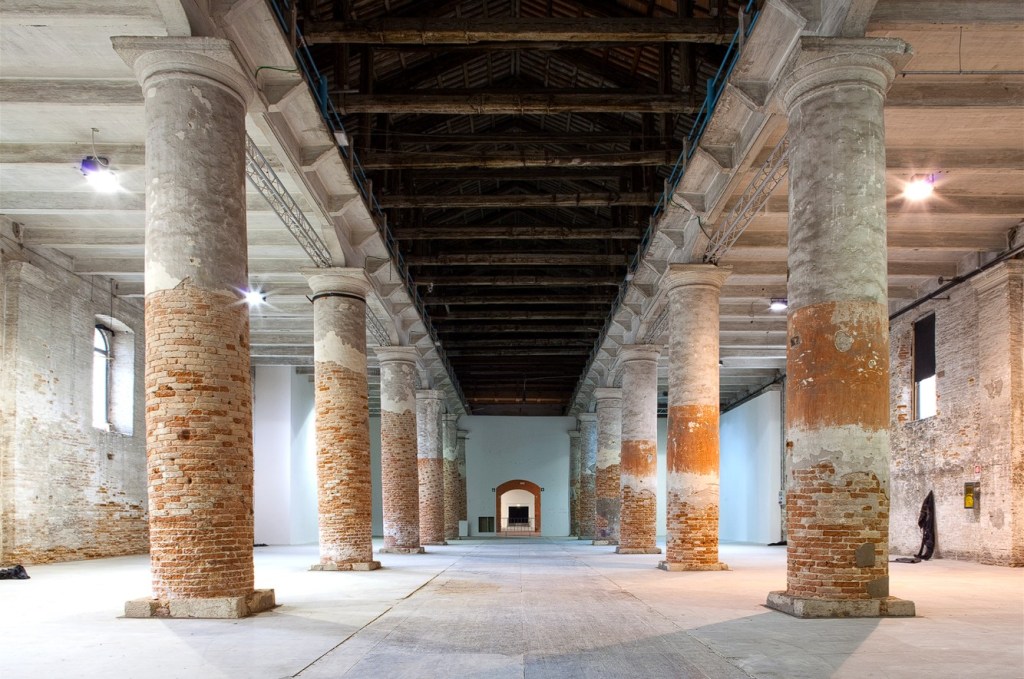
The letter, signed by figures including renowned Chilean artist Alfredo Jaar, Senegalese-French artist Tabita Rezaire, and several curators of the main exhibition In Minor Keys, protests the Biennale’s decision to accommodate Israel in a temporary space at the Arsenale while its permanent pavilion in the Giardini undergoes renovation. Organizers have faced similar pressure over Russia’s planned return after years of exclusion linked to the war in Ukraine.
“We refuse to normalize regimes currently committing war crimes,” the letter states, expanding on earlier campaigns led by the activist group Art Not Genocide Alliance (ANGA). Earlier this month, nearly 200 Biennale participants signed a separate appeal focused primarily on Israel, arguing that the event’s claim of artistic neutrality masks complicity in ongoing conflicts.

Belu-Simion Fainaru, a Romanian-born, Haifa-based artist, is set to represent Israel in the relocated space. In 2024, the Israeli pavilion was partially shuttered by its artist and curators in a symbolic protest amid the Gaza conflict. This year, organizers insist on maintaining open dialogue through art, rejecting calls for exclusion as contrary to the Biennale’s ethos of artistic freedom.
The controversy arrives as the 61st International Art Exhibition, curated by the late Koyo Kouoh, prepares to open on May 9. Supporters of the letter argue that cultural institutions cannot remain silent on global atrocities, while critics warn that politicizing national pavilions risks fragmenting the event’s international character.
Biennale leadership has not yet issued a formal response to the latest letter but has previously emphasized its role as a space for diverse voices rather than a platform for geopolitical boycotts. The debate echoes historical protests at the Biennale, where art and politics have long intersected.
As Venice readies for the influx of global art professionals, the pushback underscores deepening divisions within the contemporary art community over the responsibilities of major institutions in times of conflict.