Art World Embraces Human Imperfection Amid AI Era as Boulder Exhibition Celebrates “Proof of Life”
BOULDER, Colo. — In an age where artificial intelligence generates increasingly sophisticated imagery, the Boulder Museum of Contemporary Art (BMoCA) is making a bold case for the messy, authentic spark of human creativity. Its spring exhibition, “Yes &…”, which opened in late January and runs through May 3, has emerged as one of the most talked-about shows of early 2026, drawing praise for its unapologetic focus on humanness.
Curated by Tobias Fike and Donald Fodness, the exhibition brings together 18 artists whose works span painting, sculpture, installation and mixed media. Rooted in the improvisational theater principle of “Yes, And” — an ethos of acceptance and collaborative addition — the show deliberately highlights visible brushstrokes, exposed fasteners and imperfect assemblies as markers of lived experience. Reviewers note that in pairing two works per artist, the exhibition reveals both stylistic continuity and daring departures, creating a dynamic dialogue that feels distinctly human.

One standout element is Alison Schulnik’s vibrant, textured paintings alongside sculptural pieces that incorporate raw, everyday materials. The curators argue that such tangible evidence of process serves as “proof of life” against the polished perfection of AI-generated art. “We’re advocating for human ingenuity in the face of technological ascendance,” Fike said in recent coverage.
The timing feels particularly resonant. As major institutions prepare blockbuster retrospectives — including Marcel Duchamp at MoMA and Helen Frankenthaler in Basel — smaller venues like BMoCA are quietly reframing the conversation around what makes contemporary art vital today.
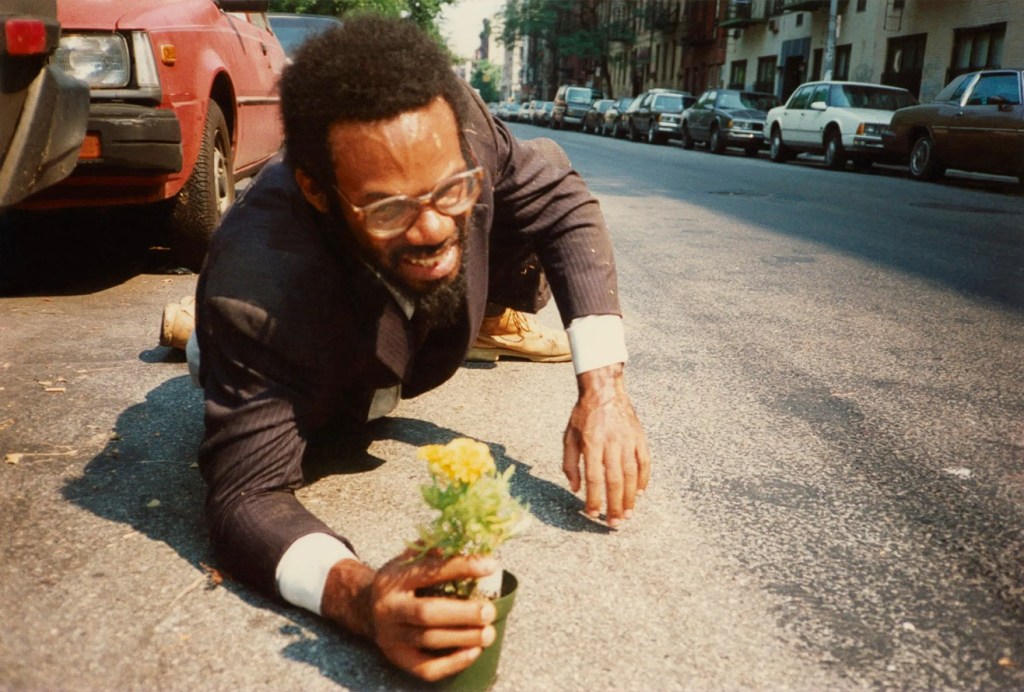
Elsewhere, the art world continues its steady rhythm. Gladstone Gallery recently announced representation of the Estate of Pope.L, the late multidisciplinary artist known for provocative performances and conceptual works exploring race, class and the body. A solo exhibition is slated for 2027 in New York, joining existing partnerships with Modern Art and Vielmetter.
In Los Angeles, the Hammer Museum prepares to open “Several Eternities in a Day: Form in the Age of Living Materials” on April 5, featuring 22 artists working with organic substances like stone, clay and natural dyes in practices informed by Brown and Indigenous perspectives.

Auction houses also report quiet momentum, with ongoing interest in prints and estate works, while galleries in New York and Berlin maintain strong programming through mid-April.
As spring unfolds, “Yes &…” stands out not for spectacle but for its quiet insistence on the value of human imperfection — a timely reminder that in contemporary art, the most compelling stories are still told with hands, heart and a generous “yes, and.”