Art Market Resilience: Auction Houses Report $6.8 Billion Surge
By Darren Smith, Arts Reporter
July 18, 2026
In a year marked by economic uncertainty and shifting collector behaviors, the world’s leading auction houses have delivered a resounding vote of confidence in the resilience of the high-end art market. Christie’s, Sotheby’s, and Phillips collectively posted robust first-half 2026 results, with global auction sales surging approximately 70% year-on-year to reach $6.8 billion (including buyer’s premiums), according to analyst firm ArtTactic. This performance marks the strongest first-half showing since 2022 and underscores a broader recovery fueled by trophy consignments, strategic private sales growth, and renewed buyer enthusiasm at the top of the market.
The numbers tell a compelling story of adaptation and strength. Christie’s led the pack with total auction sales of $3.4 billion, a 71% increase from the first half of 2025. Sotheby’s followed closely at $2.8 billion, also up 71%, while Phillips achieved $505.4 million, reflecting a 59% rise. These figures exclude automotive sales and highlight a sector that has weathered recent volatility through innovation in client services, flexible financing, and targeted marketing to ultra-high-net-worth individuals.
Central to this resurgence were headline-grabbing single-owner collections that ignited bidding wars and set new benchmarks. At Christie’s, the May sale of works from the collection of publishing magnate S.I. Newhouse realized an extraordinary $630.8 million. Standout lots included Jackson Pollock’s Number 7A (1948), which hammered at $181.2 million, Constantin Brancusi’s Danaïde at $107.6 million, and Mark Rothko’s No. 15 (Two Greens and Red Stripe, 1964) for $98.4 million. These results not only dominated the half-year’s top sales but also demonstrated sustained demand for blue-chip postwar and contemporary masters.
Sotheby’s mirrored this momentum, posting record private sales of $826 million alongside strong public auction turnover of $3.4 billion (up 59%). The house benefited from high sell-through rates nearing 90% and a strategic emphasis on luxury goods and watches, which provided diversification amid fluctuating fine art demand. Phillips, while smaller in scale, punched above its weight in niche categories, leveraging its agility in modern and contemporary offerings.
Industry observers point to several factors driving the rebound. Major houses adapted more swiftly than the broader market by expanding private sales channels, offering sophisticated financing options, and curating immersive digital and live experiences that appeal to both traditional collectors and a new generation of buyers. Luxury integration—blending art with watches, jewelry, and design—has proven particularly effective, creating cross-category appeal that buffers against sector-specific slowdowns.
Yet the recovery remains uneven. While the ultra-top end thrived on scarcity and quality, mid-market segments continue to face challenges, with selective buying and price sensitivity persisting outside trophy lots. Old Masters performed exceptionally well at Christie’s, with a 232% category increase, including a standout June evening sale. This renaissance in historical works suggests collectors are seeking both investment security and cultural depth in an era of rapid technological and geopolitical change.

The strong H1 results arrive at a pivotal moment for the art ecosystem. Auction houses have not only rebounded financially but have also reinforced their role as cultural gatekeepers and market stabilizers. By achieving high sell-through rates—91% at Christie’s and 90% at Sotheby’s—they have restored confidence among consignors wary after softer prior years. This trickle-down effect is beginning to benefit galleries, advisors, and artists, as successful auction outcomes often stimulate primary market activity.
Challenges remain on the horizon. Geopolitical tensions, fluctuating currencies, and evolving tax regulations in key markets like the U.S., UK, and China could temper enthusiasm in the second half. Sustainability concerns and the push for greater transparency in provenance and pricing will demand continued innovation. Nevertheless, the data paints an optimistic picture: when exceptional works meet prepared buyers, the market responds with vigor.
As the industry heads into the crucial fall auction season, these H1 figures serve as both validation and motivation. Auction houses have demonstrated that strategic evolution—blending tradition with technology and exclusivity with accessibility—can yield impressive returns even in complex times. For collectors, consignors, and enthusiasts alike, the message is clear: the art market is open for business, and the best opportunities may still lie ahead.
Stay informed on the evolving art market and discover upcoming auctions by visiting Christie’s, Sotheby’s, and Phillips. Whether you are considering consigning a masterpiece or simply wish to experience the thrill of the saleroom, now is an excellent time to engage with these dynamic institutions. Subscribe to leading art market reports and join the conversation shaping the future of collecting.
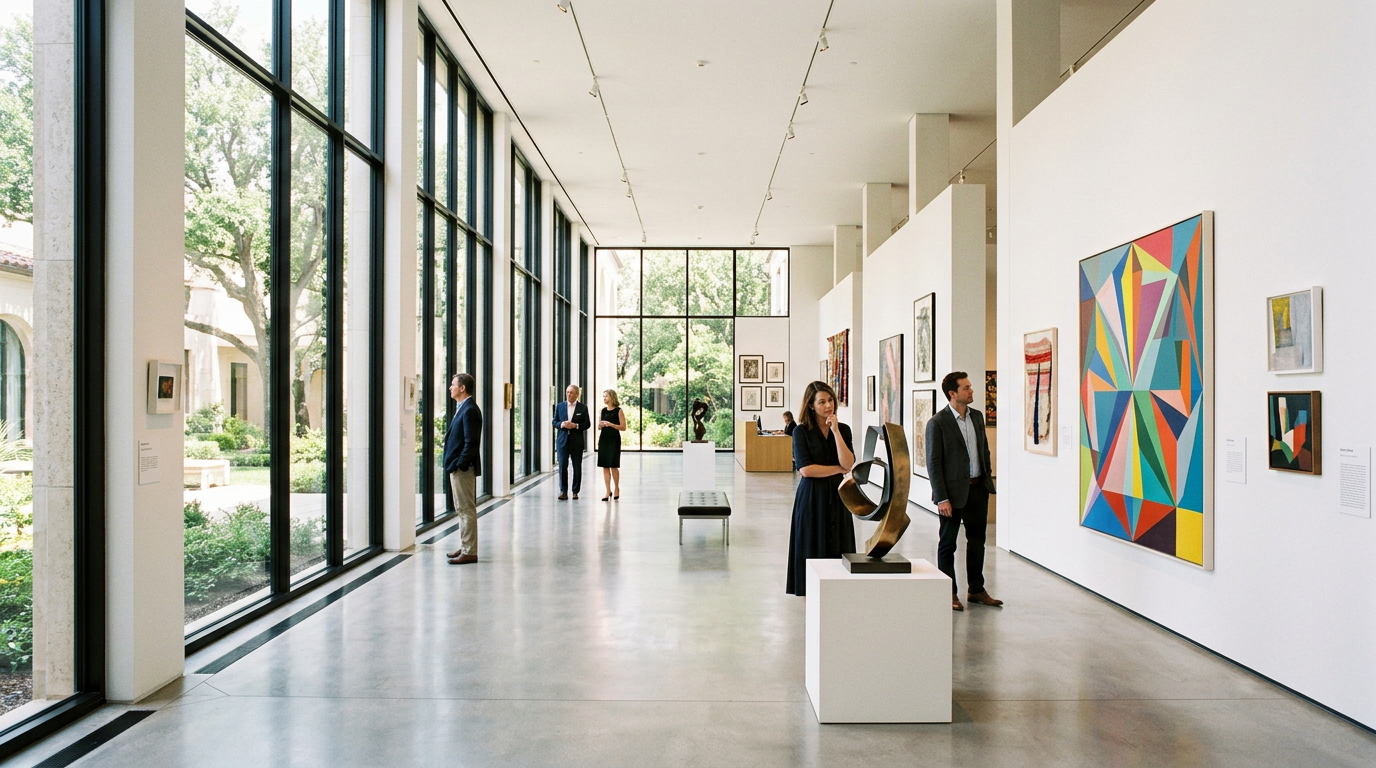
The cover image in this article was AI-generated.


