Arrest Made in Bold Burgundy Museum Heist
By Darren Smith, Arts Reporter
July 28, 2026
French authorities announced on Monday the arrest of a suspect in connection with the brazen daytime theft of a 2,500-year-old gold torque from a Burgundy museum, an artifact long regarded as one of the finest surviving examples of Celtic goldsmithing. The rapid development offers a rare note of hope in a case that has shaken France’s cultural community and prompted an ambitious national security overhaul for heritage sites.
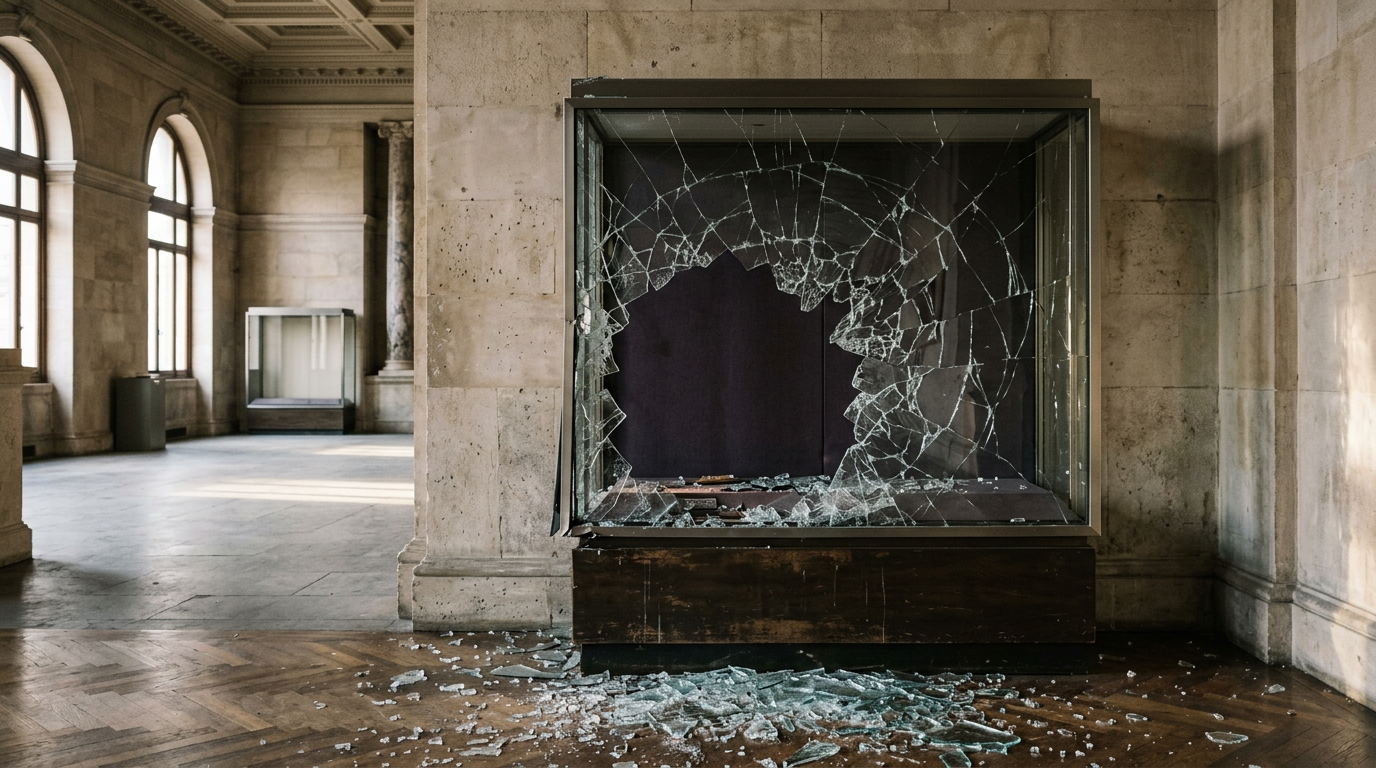
The robbery unfolded on the morning of July 24 at the Musée du Pays Châtillonnais – Trésor de Vix in the small town of Châtillon-sur-Seine. Around 10:30 a.m., two men entered the museum as ordinary paying visitors. Within minutes they smashed the display case containing the torque, seized the piece, and walked out the main entrance in full view of roughly 20 other visitors and eight staff members. No one was injured. Surveillance footage captured the pair operating with their faces uncovered, a detail that investigators have described as both audacious and telling of their confidence.
The stolen object is a rigid gold collar weighing approximately 480 grams of nearly pure 24-karat gold. Crafted in a single piece with terminals shaped as lion paws topped by winged horses, or Pegasus figures, the torque dates to the mid-sixth or early fifth century BCE. It was discovered in 1953 inside the richly furnished tomb of a high-status woman known as the Princess of Vix, or Dame de Vix, near the ancient hillfort of Mont Lassois. Archaeologists have long viewed the burial as evidence of powerful Celtic elites with extensive trade links across the Mediterranean. The torque itself served as both personal adornment and a clear symbol of rank.
Museum officials had already been on high alert. Nighttime intrusion attempts occurred on November 15, 2025, and again on the night of July 17–18, 2026. In response the local authority invested roughly €150,000 in upgraded cameras, motion sensors, and reinforced doors. Those measures thwarted the earlier attempts but proved insufficient against a daytime operation that bypassed nighttime alarms entirely. Local mayor Jérémie Brigand, who also oversees the intercommunal body responsible for the museum, called the theft an attack carried out “with the speed and logistics of professionals.”
On July 27, Culture Minister Catherine Pégard confirmed that one person had been placed in custody in connection with the case. Details of the suspect’s identity and precise role remain under investigation, but art-recovery specialists noted that the swift arrest raises the possibility the torque has not yet been melted down or broken up for the black market. Dijon prosecutor Olivier Caracotch earlier opened an inquiry for organized theft, with specialized interregional investigators assisting.
The Vix theft is the latest in a string of high-profile museum crimes in France, most notably the October 2025 robbery of crown jewels from the Louvre’s Apollo Gallery. That earlier incident exposed systemic vulnerabilities, and parliamentary audits have since painted a sobering picture of under-protected collections nationwide. In response, Pégard on Monday unveiled a comprehensive 33-point national security plan aimed at more than 3,000 museums, monuments, and churches considered at elevated risk.
The plan, backed in part by €30 million already allocated for security upgrades over three years, calls for temporary removal of the most vulnerable objects from public display until safer conditions can be guaranteed. It also mandates specialized training for museum directors, regular unannounced security audits by the Culture Ministry’s specialist teams, and improved coordination with law-enforcement services. “A culture of security must take hold,” Pégard told reporters, emphasizing that collections exist to be shared yet cannot fulfill that mission if they are left unprotected.
Critics within the museum sector have urged a more permanent shift toward high-quality replicas for display, with originals kept in secure vaults. Pégard has rejected that approach as a long-term solution, arguing that the public’s right to encounter authentic works remains central to the museum’s purpose. Still, the immediate priority is clear: prevent further losses while the investigation continues.
The torque’s cultural significance extends far beyond its material value. As a rare intact example of elite Celtic craftsmanship, it offers tangible evidence of a sophisticated Iron Age society that thrived in what is now eastern France. Its recovery would restore not only an irreplaceable object but a vital piece of the region’s historical narrative. Art detectives following the case have pointed to the speed of the arrest as a positive indicator that authorities are treating the crime with the urgency it deserves.
For now the Musée du Pays Châtillonnais remains open, its remaining Vix Treasure pieces under heightened protection. Visitors continue to arrive, drawn by the story of a princess whose burial goods still speak across 25 centuries. The empty case that once held her golden torque stands as a quiet reminder of both human ingenuity and human greed.
Protecting shared heritage requires vigilance from institutions and the public alike. Readers who care about cultural preservation can stay informed through official updates from the French Ministry of Culture and support organizations dedicated to safeguarding archaeological treasures. The next chapter of this story will depend on whether the missing torque returns to its rightful place—where it can once again inspire wonder rather than regret.
The cover image in this article was AI-generated.


